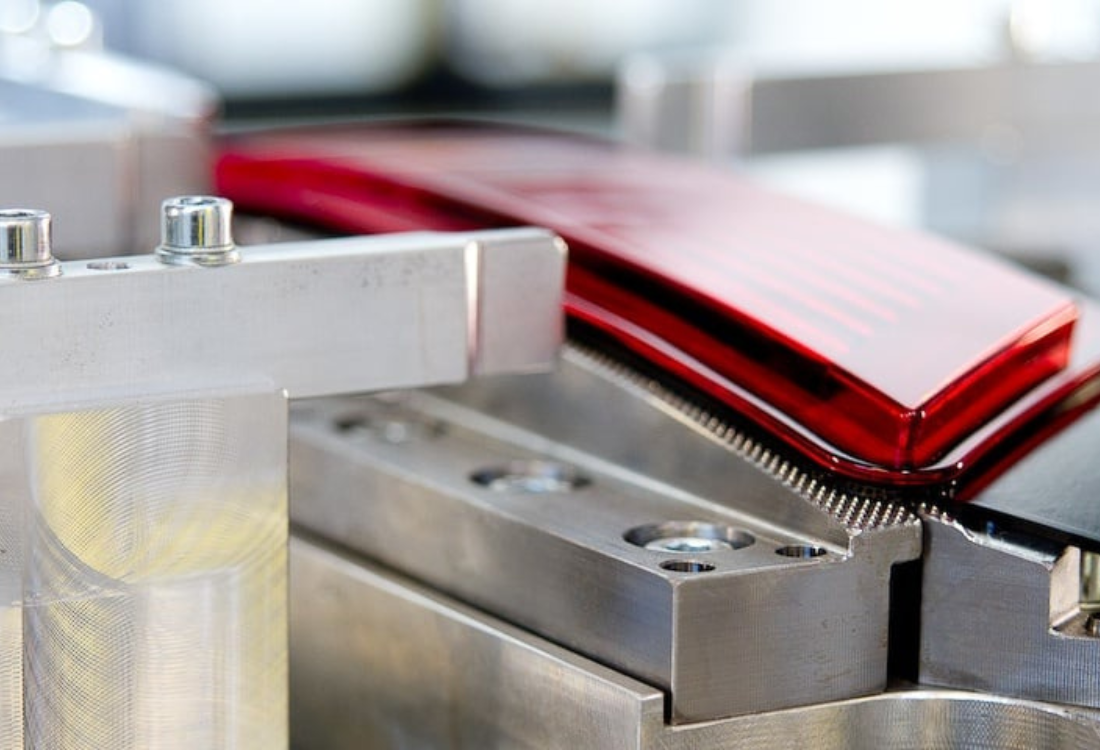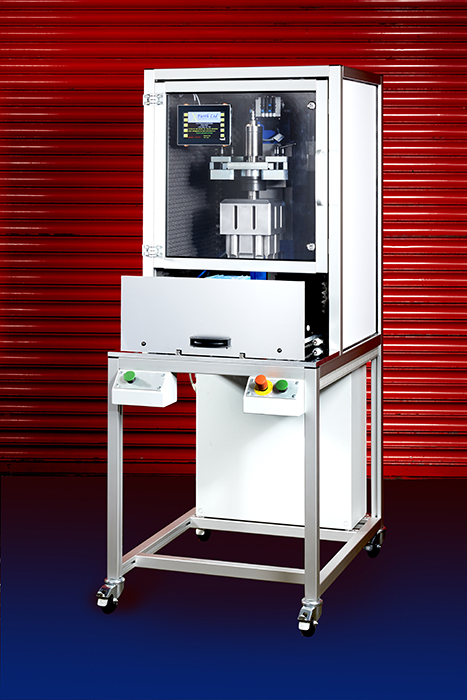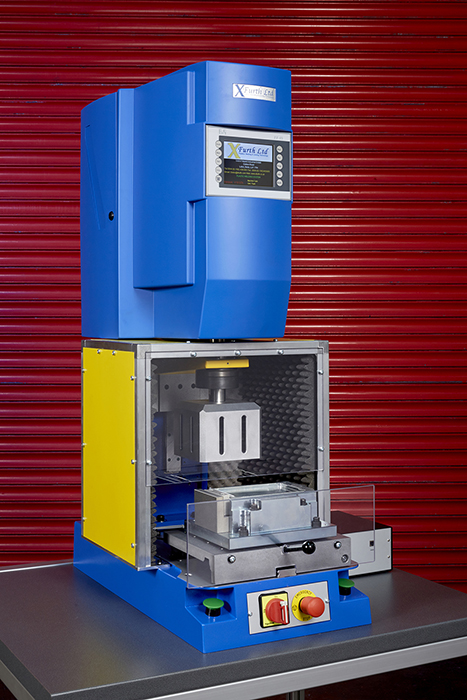
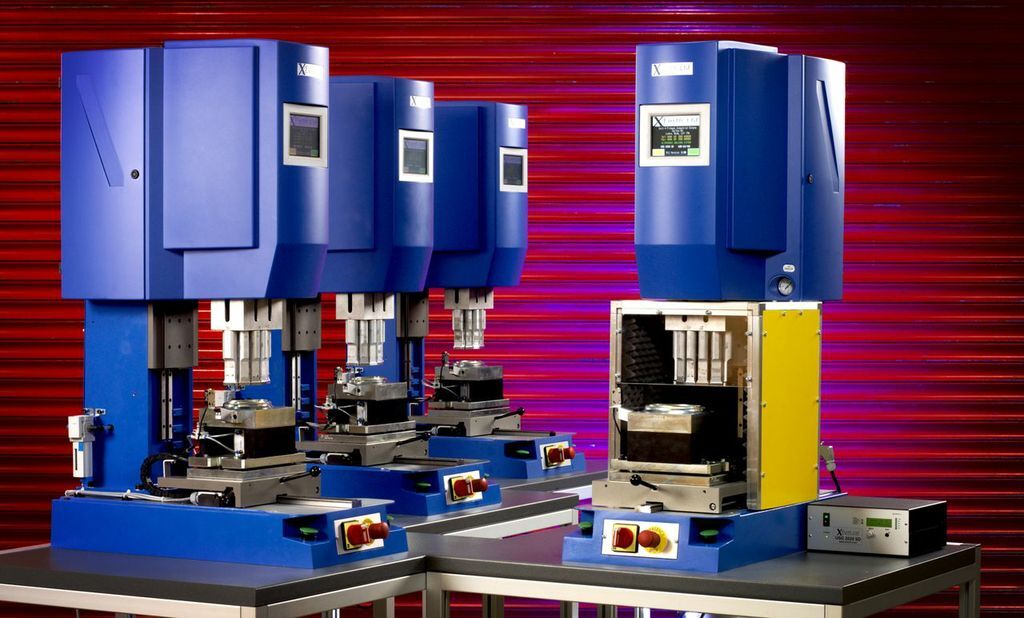
When manufacturers think of ultrasonic welding, most envision the basic joining of two thermoplastic parts. However, this perception dramatically undervalues the technology's true potential.
The Diverse Capabilities Of Ultrasonic Plastic Assembly
Tags: Plastic Welding
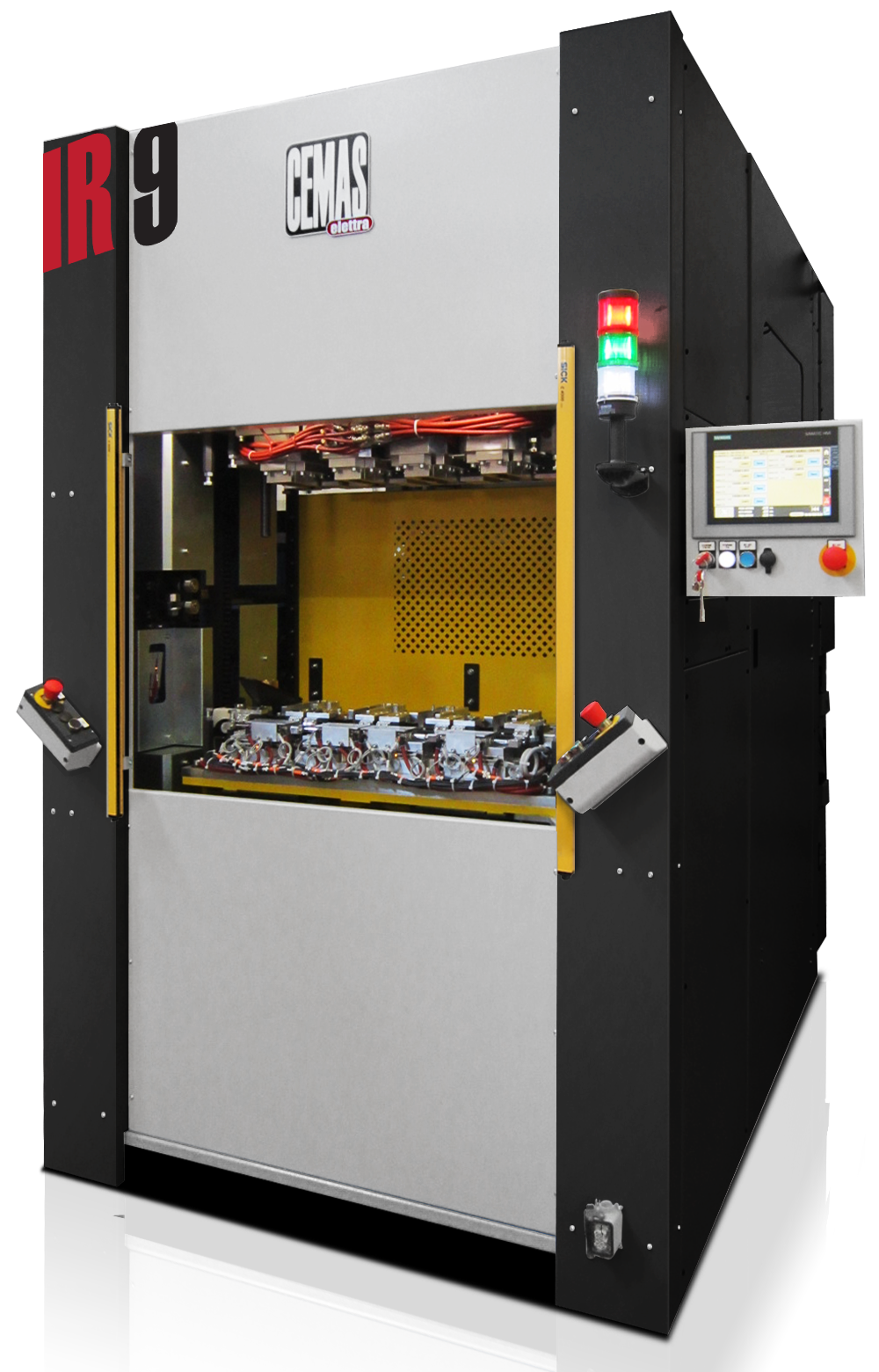
In the realm of plastic welding, the vibration welding process stands as a remarkable technique that has gained significant traction in various industries. This step-by-step guide will walk you through the essential aspects of vibration welding, providing valuable insights into its applications and advantages.
Tags: Vibration Welding
How To Optimise Ultrasonic Welding Parameters: Amplitude, Pressure, And Time
Ultrasonic welding has become an indispensable joining technology across industries ranging from automotive and medical device manufacturing to electronics and packaging. This non-thermal process uses high-frequency vibrations to create strong molecular bonds between materials—typically thermoplastics or non-ferrous metals—without adhesives, fasteners or external heat sources.
Tags: Ultrasonic Welding
Top Joint Designs For Ultrasonic Welding: Pros And Cons
Ultrasonic welding is a fast, repeatable, and precise process for joining thermoplastics without the use of adhesives, screws, or solvents. Its effectiveness hinges not just on machine parameters, but on an often-overlooked detail: joint design. The geometry and features of the joint directly impact weld strength, aesthetics, and cycle efficiency.
Tags: Ultrasonic Welding
How Ultrasonic Staking Is Revolutionising Multi-Material Assembly
In the evolving landscape of manufacturing, the integration of diverse materials within a single assembly has become increasingly prevalent. This trend, driven by the pursuit of enhanced performance, weight reduction, and cost efficiency, presents unique challenges in joining dissimilar materials.
Tags: Ultrasonic Welding