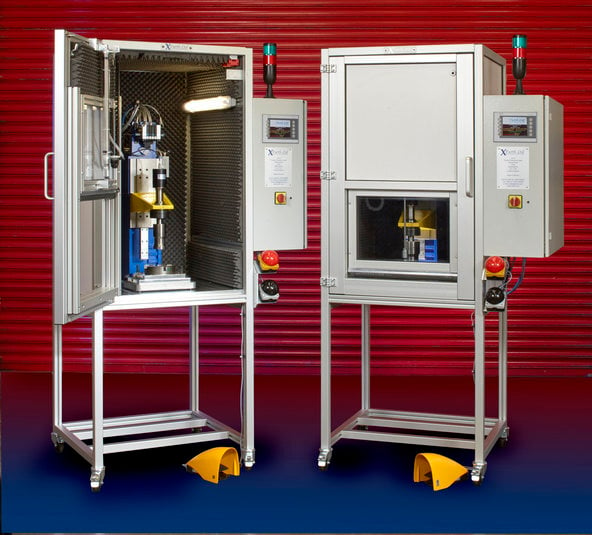
Plastic welding machines are precision production assets. When properly maintained they deliver consistent weld quality and reliable output for many years. When maintenance is neglected, the consequences range from gradual degradation of weld quality to unexpected machine breakdowns that halt production at the worst possible moment.
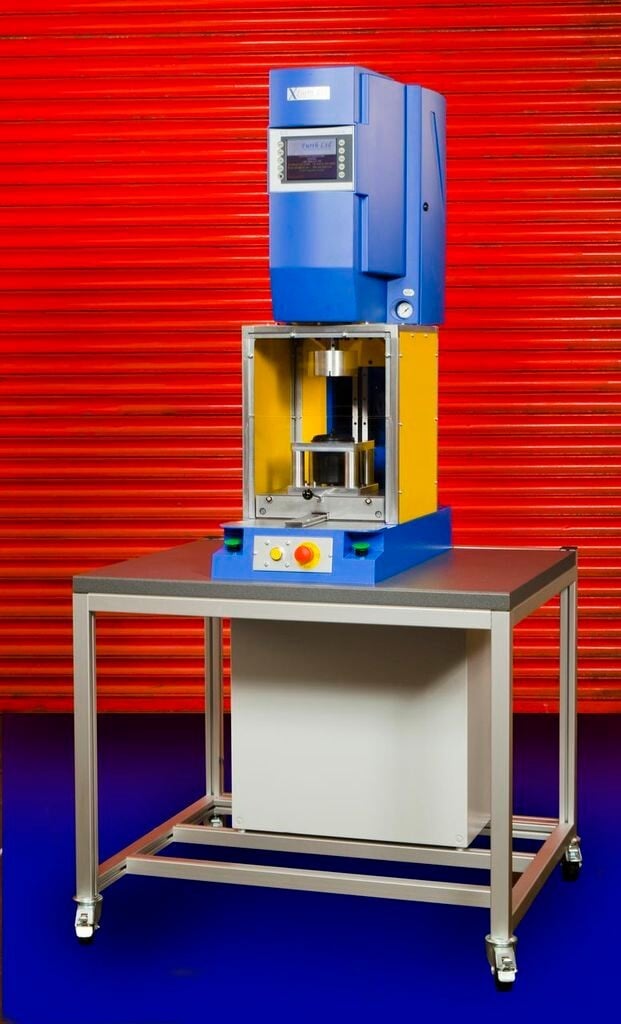
How to Plan a Plastic Welding Equipment Service and Maintenance Schedule?
Designing Spin Welding Joints for Maximum Strength
Spin welding delivers strong, hermetic bonds in circular thermoplastic components through a process that is deceptively simple: rotational friction generates heat at the joint interface, the material melts and consolidates, and the assembly cools under pressure. Yet the quality of the resulting weld is determined not only by the machine parameters but, fundamentally, by the design of the joint itself.
Tags: Spin Welding
Why Automotive Manufacturers Rely On Vibration Welding For Large Plastic Assemblies?
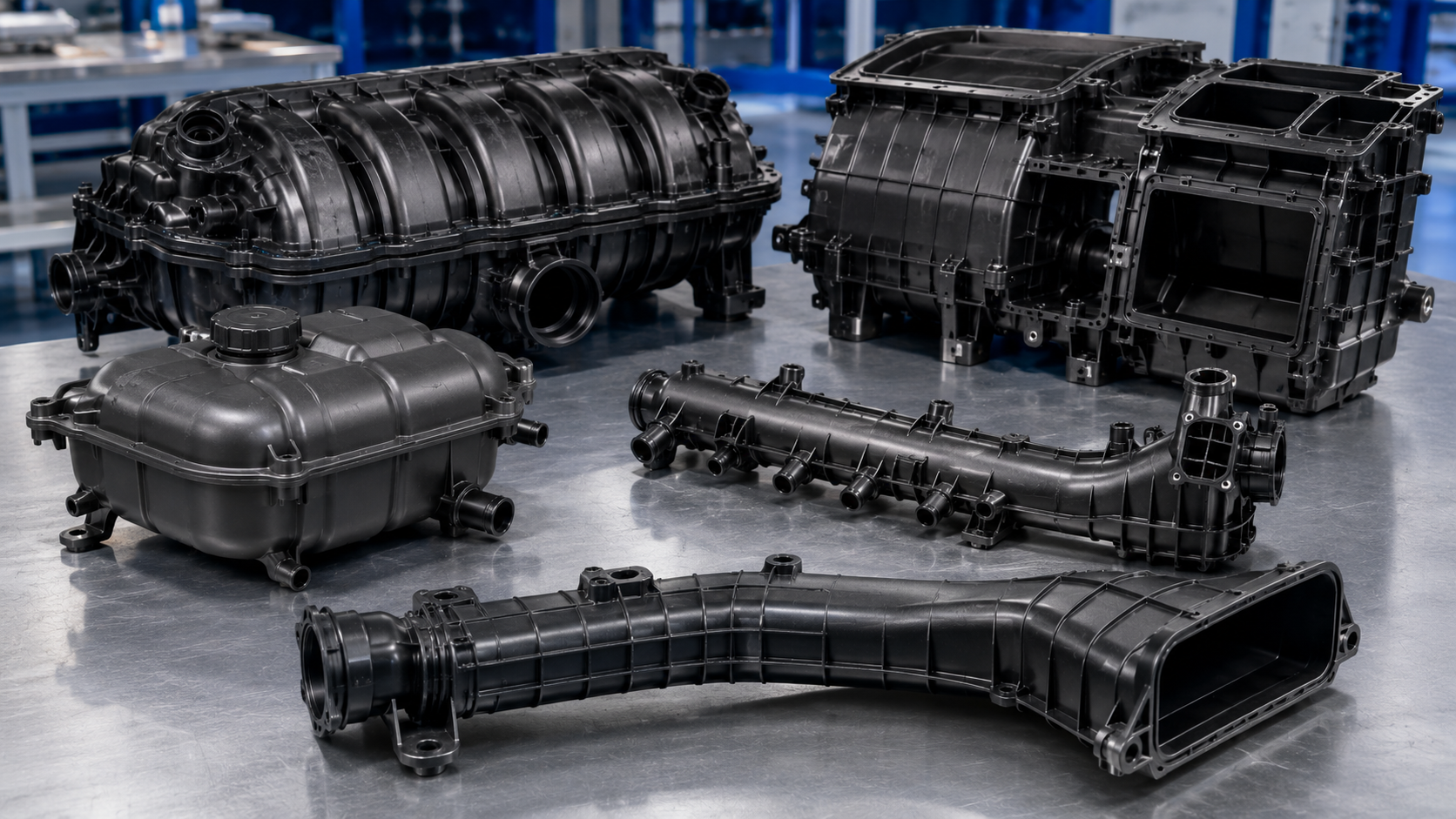
The modern vehicle contains a remarkable quantity of welded plastic. From instrument panels and door liners to air management systems and fluid reservoirs, thermoplastic assemblies perform structural, functional, and aesthetic roles throughout the vehicle. Many of these components share a common manufacturing characteristic: they are too large, too geometrically complex, or too demanding in performance terms to be reliably joined by any other plastic welding method. Vibration welding is the process that makes them possible.
Understanding The Key Process Parameters In Linear Vibration Welding
Vibration welding is a robust and versatile joining technology capable of producing strong, hermetic bonds in a wide range of thermoplastic assemblies. Yet like any precision manufacturing process, the quality and consistency of the weld is directly determined by how well the process parameters are understood and controlled.
Tags: Vibration Welding
Is Ultrasonic Welding Right for Your Thermoplastic? A Decision Guide for Design Engineers
Ultrasonic welding is one of the most widely used methods for joining thermoplastic components, offering speed, repeatability, and clean processing without adhesives or fasteners. However, it is not universally suitable for every plastic material. For design engineers selecting a joining process early in product development, understanding which materials weld well ultrasonically and why can save significant time and cost downstream.
Tags: Ultrasonic Welding